The $5 Squeeze: Making Cold-Pressed Juice Fit a Real-World Budget
Let's be honest about the math. A cold-pressed juice runs $9 to $12 at most shops, and if you're grabbing one every morning on the way to work, that's a car payment's worth of kale by the end of the month. We get it — we run a juicery, and we see the receipts too.
But here's the thing nobody tells you: the people who stick with juice long-term aren't the ones with the deepest wallets. They're the ones with the smartest routines. Here's how to build a habit that lasts without draining your checking account.
The Hybrid Approach: Buy Some, Press Some
The single biggest money-saver is accepting that not every juice needs to come from a shop. Think of it like coffee — plenty of people brew at home on weekdays and treat themselves to a café pour on Saturday.
Try this split:
- Weekdays: Home-pressed or budget-bought juice
- Weekends: The good stuff from your local juice bar
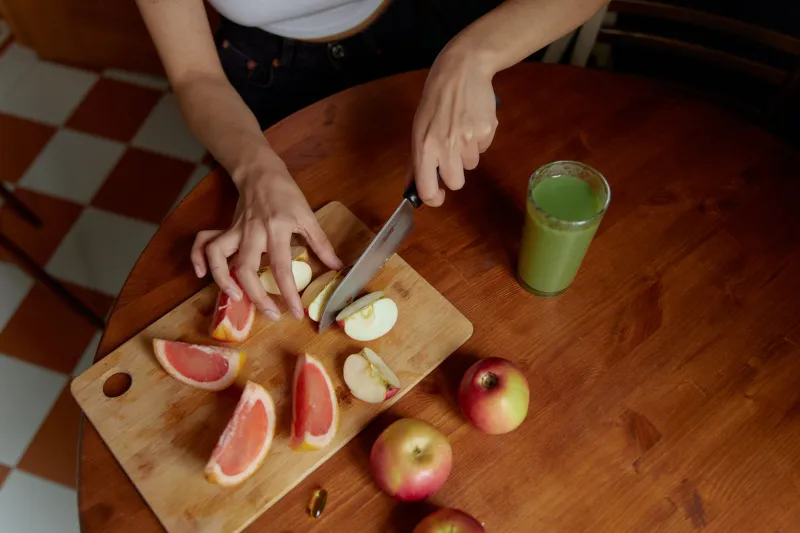
A decent entry-level masticating juicer pays for itself in about six to eight weeks if you're currently buying daily. Produce from a warehouse club or farmers market (hello, end-of-day deals on bruised apples) can drop your per-bottle cost to $2 or $3.
Loyalty Programs Are Not a Gimmick — They're Free Juice
If you're buying even semi-regularly and you're not signed up for the shop's rewards program, you're literally leaving bottles on the table. Most juice bars — including ours — offer points, punch cards, or birthday freebies that quietly add up to one or two free juices a month.
While you're at it, ask about:
- Subscription discounts — recurring orders often run 10–20% cheaper than à la carte
- Multi-pack deals — buying a week's worth at once usually beats daily purchases
- End-of-day markdowns — cold-pressed juice has a short shelf life by design, and many shops discount bottles a day or two before their best-by date. Same nutrition, smaller price.
Which Bottles Give You the Most Bang Per Buck?
Not all juices are priced equally, and the priciest isn't always the most nutritious. When you're watching spending, prioritize:
- Green juices with leafy greens as the first ingredient — kale, spinach, and cucumber deliver micronutrients at a lower ingredient cost, which often means a lower sticker price than fancy blends
- Citrus-forward options — orange, grapefruit, and lemon are cheap crops, so these bottles tend to be the best value on any menu
- Single-ingredient shots over elaborate elixirs — a ginger or turmeric shot delivers a concentrated punch for a fraction of the cost of a trendy adaptogenic blend
Skip, for now: anything with imported superfruits, gold flakes, or a name longer than your commute. Great for a treat, not for a daily habit.
Your Sample $25-a-Week Plan
Here's what a realistic week looks like when you're working with roughly the cost of three shop juices:
- Monday–Thursday: Home-pressed juice or a subscription delivery bottle (~$2–3 each)
- Friday: One shop-bought juice as your end-of-week reward (~$10)
- Saturday: Juice bar visit with your loyalty punch — maybe that one's free this week
- Sunday: Prep day. Hit the farmers market, buy produce for the week, press ahead
Total: roughly $20–25, with five to seven juices in your system instead of two.
The Long Game
The goal isn't to drink the cheapest juice — it's to build a habit you can actually sustain. A routine that lasts twelve months at $25 a week beats a heroic two-week run at $80 a week that ends in burnout and a juicer gathering dust.
Start with one change: sign up for the loyalty program, or pick one weekend day to press at home. Small moves, compounding returns. That's how a juice habit stops being a splurge and starts being a lifestyle.
Your wallet — and your Wednesday-afternoon energy levels — will thank you.