Say It With Confidence: The Weird-Sounding Juice Ingredients That Are Actually Worth Your Attention

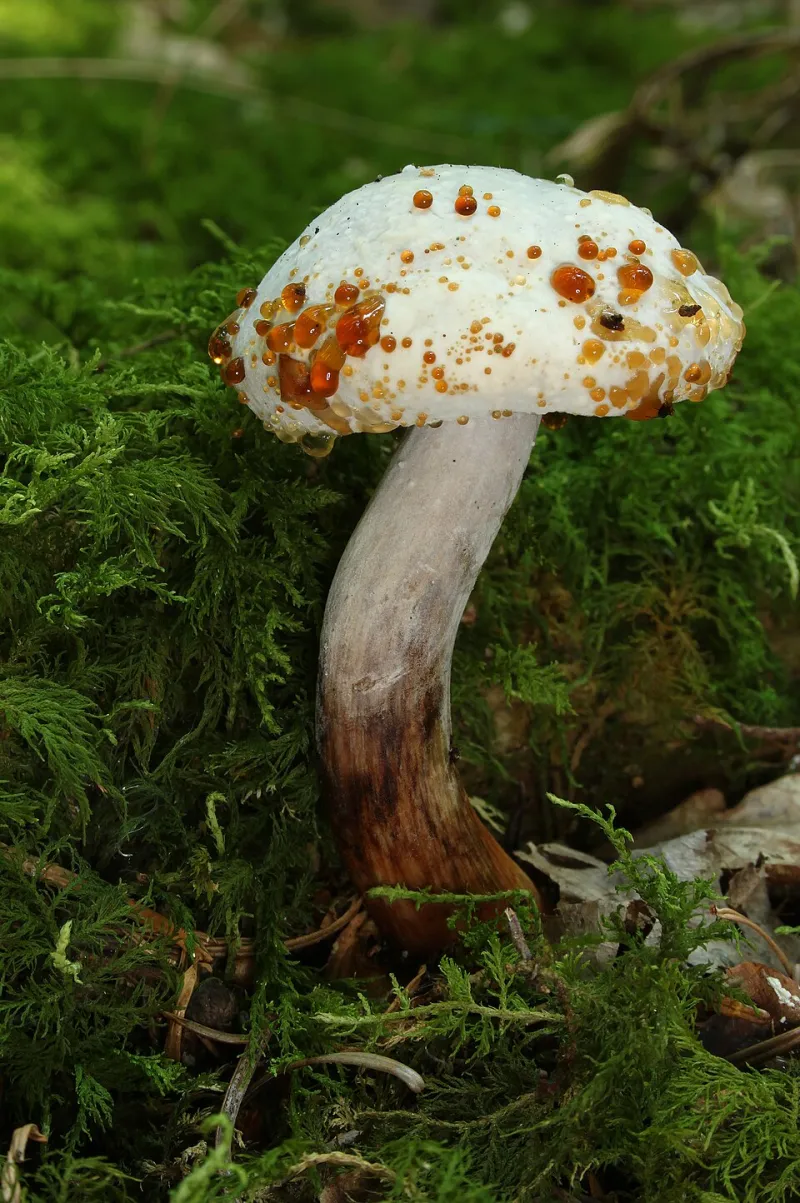
Photo: Ramirez, Declan R.; Silknitter, Joseph; Vijil, Zaya, CC BY 4.0, via Wikimedia Commons
We've all been there. You're standing at a juice bar, scanning a menu that reads like a botany final exam, and you quietly whisper "I'll have that one" while gesturing vaguely at a bottle. No shame. The wellness world has a serious naming problem — half the ingredients that belong in your cup sound like they were invented by someone who really wanted to win at Scrabble.
But here's the thing: the hard-to-pronounce stuff is often the most interesting. And once you understand what these ingredients actually do for your body, ordering gets a lot more intentional. So let's break it down — pronunciation guide included, zero judgment.
Ashwagandha (ash-wuh-GAHN-duh)
This one trips people up constantly, and honestly, we get it. Ashwagandha is an ancient Ayurvedic root that's been used in South Asian wellness traditions for thousands of years. In the cold-pressed world, you'll find it added to blends marketed around stress relief or energy — and there's actually solid science behind that positioning.
Ashwagandha is classified as an adaptogen, meaning it helps your body adapt to physical and emotional stress. Research published in journals like the Journal of the American Nutraceutical Association has found it can meaningfully reduce cortisol levels — that's the stress hormone your body releases when your inbox hits 200 unread emails. It also has emerging evidence supporting better sleep quality and improved endurance during exercise. In juice form, it's typically bitter and earthy, which is why it's usually blended with sweeter bases like apple or pineapple.
Bottom line: If your juice bottle says "stress support," check the label for ashwagandha. It's not just marketing.
Schisandra (shih-ZAN-druh)
Five flavors in one berry. That's the traditional Chinese medicine claim about schisandra (also spelled schizandra), and it's not entirely hyperbole. This small red berry is described as simultaneously sweet, sour, salty, bitter, and pungent — which makes it a genuinely complex addition to any cold-pressed blend.
Beyond the flavor profile, schisandra has been studied for its potential liver-protective properties and its role in improving mental clarity and focus. Some research suggests it may support adrenal function, making it another entry in the adaptogen category. You'll often spot it in blends labeled as "clarity" or "focus" formulas. If your juice tastes unexpectedly complex and slightly tart in a way you can't quite place, schisandra might be the reason.
Chaga (CHAH-guh)
Chaga is a mushroom — specifically, a fungus that grows on birch trees in cold climates like Siberia, Canada, and parts of the northern US. It looks like a chunk of burnt wood, which is not exactly appetizing, but what it brings to a cold-pressed blend is genuinely impressive.
Chaga is one of the most antioxidant-dense foods studied to date. Antioxidants, in case you've seen the word on roughly every wellness product since 2010 and never fully gotten the explanation: they neutralize free radicals in your body. Free radicals are unstable molecules that can damage cells over time, contributing to inflammation and aging. Chaga also contains beta-glucans, compounds associated with immune system modulation.
In juice blends, chaga tends to appear in small amounts alongside earthy or bitter ingredients. It doesn't taste like much on its own — slightly woody, faintly vanilla-adjacent — so it plays well with cacao, beet, or ginger bases.
Turmeric (TUR-mer-ik, not too-MER-ik)
Okay, turmeric isn't obscure, but the mispronunciation is so widespread that it earns a spot on this list. The active compound in turmeric is curcumin (KYUR-kyoo-min), and this is where things get scientifically interesting.
Curcumin has been studied extensively for its anti-inflammatory properties. Chronic low-grade inflammation is increasingly linked to a wide range of health conditions — joint pain, cardiovascular issues, metabolic dysfunction — and curcumin appears to interfere with several molecular pathways involved in inflammatory response. The catch? Curcumin has notoriously low bioavailability on its own, meaning your body doesn't absorb it efficiently. That's why quality cold-pressed blends that include turmeric often pair it with black pepper (which contains piperine, shown to increase curcumin absorption by up to 2,000%) or healthy fats like coconut.
If your turmeric shot doesn't have a little heat or fat in the formula, you might not be getting the full benefit.
Adaptogens vs. Antioxidants: The Distinction That Actually Matters
These two terms get used almost interchangeably in marketing copy, and they are not the same thing.
Antioxidants work at a cellular level to neutralize oxidative stress — they're essentially your body's cleanup crew after exposure to pollution, UV rays, processed foods, or just the general wear of being alive. Vitamins C and E are antioxidants. Chaga is rich in antioxidants. Beets, berries, and leafy greens in your cold-pressed juice all contribute antioxidant activity.
Adaptogens specifically support your body's stress-response system — the HPA axis (hypothalamic-pituitary-adrenal), which regulates how you respond to physical and emotional stressors. Ashwagandha, schisandra, rhodiola, and holy basil are adaptogens. They don't all have antioxidant properties, and not all antioxidants are adaptogens.
Knowing the difference means you can actually match the ingredient to what your body needs right now, rather than grabbing whatever has the most compelling label.
A Quick Pronunciation Cheat Sheet
Because we want you to walk up to the counter with full confidence:
- Ashwagandha — ash-wuh-GAHN-duh
- Schisandra — shih-ZAN-druh
- Chaga — CHAH-guh (this one you've got)
- Curcumin — KYUR-kyoo-min
- Rhodiola — roh-dee-OH-luh
- Reishi — RAY-shee
- Maca — MAH-kuh (not MAY-kuh)
The Jrink Take
The wellness industry loves a mysterious ingredient name. But mystery shouldn't be the reason you add something to your routine — or skip it. Every ingredient in a well-formulated cold-pressed juice is there for a reason, and you deserve to know what that reason is.
At Jrink, we're not interested in putting things in your cup that we can't explain. If it's on our menu, there's a real, researched rationale behind it. So next time you see a word that makes you pause, lean in. Ask. Look it up. The more you know about what you're drinking, the more your juice routine actually works for you — not just for the aesthetic of it.
Now go order that ashwagandha blend. Say it out loud. You've earned it.