Move Over, Wine: Why Fine Dining Restaurants Are Putting Juice on the Pairing Menu
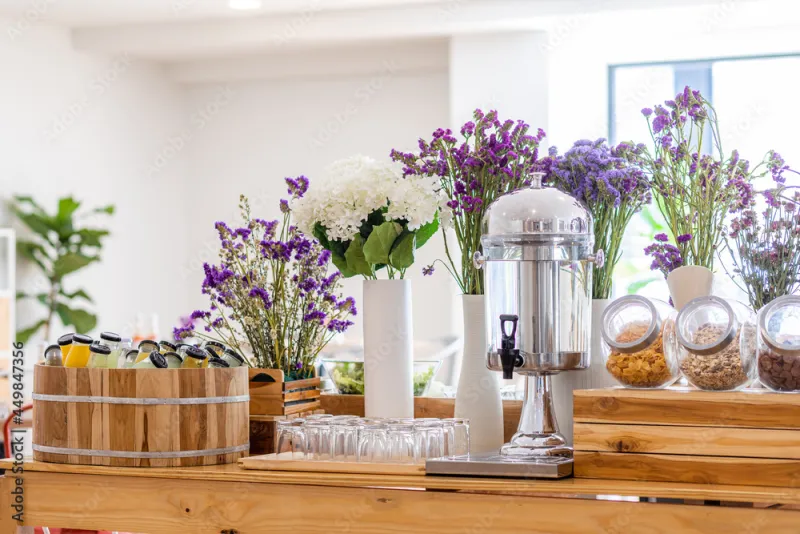
Photo: elegant cold pressed juice glass fine dining restaurant table, via as2.ftcdn.net
There was a time when asking for juice at a nice restaurant got you a sympathetic nod and a glass of apple juice from the kids' menu. Not anymore. Walk into a certain caliber of restaurant in New York, LA, or Chicago these days, and you might be handed a pairing card that reads more like a farmers market receipt: cucumber-pressed green apple with the raw scallop, beet-and-cherry with the duck, a tart fermented pineapple press alongside dessert.
Juice sommeliers — yes, that's a real job title now — are quietly reshaping what a beverage program can look like. And for those of us who've been drinking cold-pressed for years, it's a moment worth savoring.
From Grab-and-Go to Grand Dining
The shift didn't happen overnight. Cold-pressed juice spent the 2010s building its reputation in juice bars and boutique grocery coolers, prized for preserving nutrients through hydraulic pressure rather than heat-generating blades. But the flavor case was always there too: juice pressed slowly and bottled fresh simply tastes more vivid. Brighter. More like the thing it came from.
Beverage directors noticed. As more diners opt out of alcohol — whether for Dry January, pregnancy, fitness goals, or just because they're tired of the morning after — restaurants needed non-alcoholic pairings with actual ambition. Sugary sodas and sad herbal teas weren't going to cut it next to a $60 entrée.
Enter juice. It has acidity, tannin-like astringency from cold-pressed greens, sweetness, earthiness — a full spectrum to play against food, the same way sommeliers play wine against it.
What a Juice Pairing Actually Tastes Like
The mechanics are surprisingly similar to wine pairing. A rich, fatty dish wants something sharp to cut through — think citrus-forward blends with a green apple backbone. Delicate raw bar items like crudo or oysters pair beautifully with clean, mineral-leaning cucumber and celery presses that won't bulldoze the dish. Earthy roasted meats can stand up to beet, dark cherry, and even carrot-ginger combinations with real weight.
Some restaurants are going further, incorporating cold-pressed juices into zero-proof cocktails, reductions, and granitas. A few beverage programs now employ staff whose entire job is pressing, blending, and adjusting house juices daily — treating produce the way a winery treats a vintage.
The result, when it's done well, is a meal where the drink isn't a placeholder. It's a co-star.
The Palate Effect: What This Means for Your Kitchen
Here's the fun part: you don't need a tasting menu reservation to benefit from this trend. Fine dining is essentially running a large-scale experiment in flavor pairing, and the takeaways translate directly to your daily routine.
Contrast works. If your lunch is heavy and savory, a bright citrus-pressed juice will taste better than a sweet fruit blend. The restaurant logic applies at home.
Seasonality matters. Juice sommeliers build pairings around what's fresh, not what's frozen. Watermelon-pressed blends in August, apple-ginger in October — your juice should follow the same calendar.
Bitterness is a feature. Restaurants aren't hiding the kale; they're leaning into it. Training your palate to appreciate that edge — rather than masking it — is the same skill wine drinkers develop with tannins.
Raising the Bar for All of Us
There's a deeper shift here, too. When cold-pressed juice appears on a tasting menu, it stops being a wellness prop and starts being respected as craft. That raises expectations across the board — for transparency about sourcing, for freshness windows, for honest labeling.
At Jrink, we're here for it. Because when a beverage director treats a cucumber press with the same care as a Burgundy, everyone wins: the growers, the pressers, and yes, you, holding a bottle that deserves a little more respect than it usually gets.
So next time you sip your daily green, do it like you're at a chef's counter. Notice the acidity. The finish. The way it plays with whatever's on your plate.
Turns out the juice sommeliers were right all along — your bottle was never just a health habit. It was a pairing waiting to happen.