Cold-Pressed and Complicated: The Environmental Cost of Your Daily Juice Habit
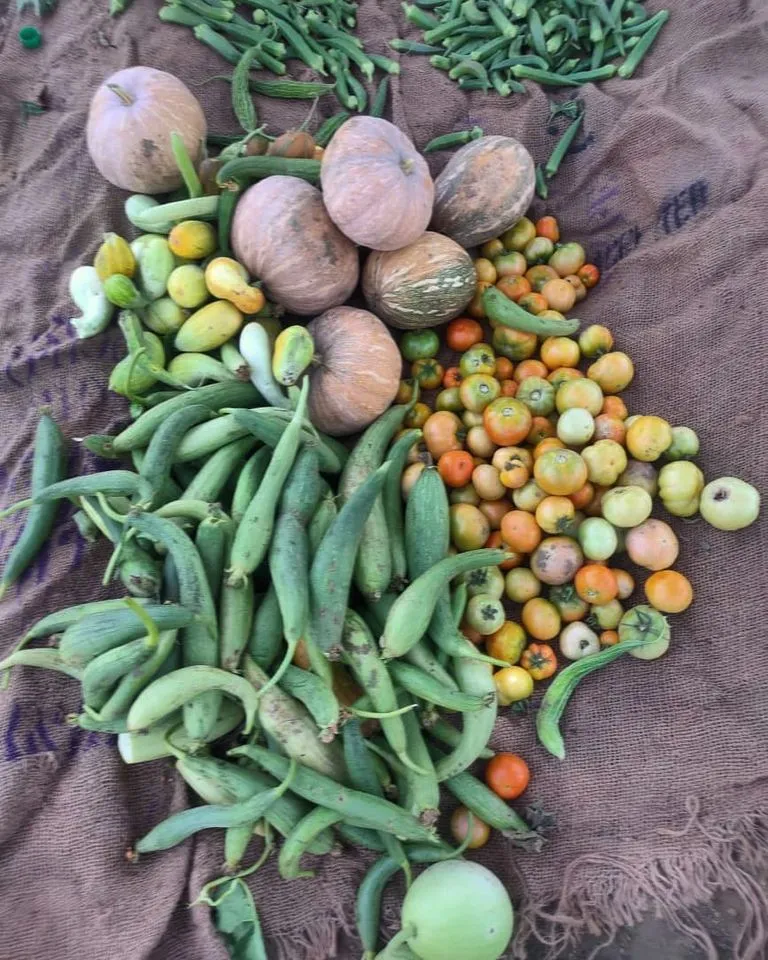
Photo: Responsiblygrown, CC BY-SA 4.0, via Wikimedia Commons
Cold-pressed juice has always marketed itself as the clean choice. And in many ways, it earns that label — minimal processing, no additives, nutrient-dense ingredients. But "clean" in a nutritional sense and "clean" in an environmental sense aren't always the same thing. If you care about what goes into your body, it's worth caring about what goes into the planet to get it there.
This isn't a takedown of cold-pressed culture. It's an honest look at the trade-offs that don't usually make it onto the label — and a practical guide for making choices that align with your values all the way from the farm to your cup.
The Water Problem Nobody Mentions
Let's start with the ingredient that makes cold-pressed juice possible: produce. A lot of it. A single 16-ounce cold-pressed green juice can require upwards of two pounds of fruits and vegetables — and that produce requires enormous amounts of water to grow.
Celery, a cold-pressed staple, is relatively water-efficient. But cucumber, watermelon, and many citrus fruits are not. And when those crops are grown in water-stressed regions like California's Central Valley — which supplies a significant chunk of the country's produce — the calculus gets complicated fast.
This doesn't mean you should stop drinking celery juice. It means the sourcing story matters more than we typically acknowledge. A juice made from locally-grown, rain-fed produce in the Pacific Northwest carries a very different water footprint than the same juice made from California-grown ingredients shipped cross-country.
The Packaging Elephant in the Room
Here's where cold-pressed juice has a real, undeniable problem: the bottle.
HPP (high-pressure processing), the technology that extends the shelf life of cold-pressed juice to 30–45 days, is genuinely impressive from a food science standpoint. It allows juice to be produced at scale and distributed nationally without heat treatment. But it also enables a business model that depends heavily on single-use plastic bottles — and those bottles are everywhere.
Many cold-pressed brands have moved toward PET plastic, which is technically recyclable, but actual recycling rates in the U.S. hover around 29% for plastic bottles overall. Glass is heavier (more emissions in transport) but far more likely to be recycled or reused. Some smaller, local juice operations have started offering bottle return programs or refillable container options, which is the kind of innovation the industry needs more of.
When you're choosing between brands, it's worth asking: What's this bottle made of? Is it recyclable in my city's program? Does this company have any take-back or reuse initiatives?
Agricultural Practices: The Spectrum Between Organic and Regenerative
Organic certification is a meaningful baseline — it means no synthetic pesticides or fertilizers, which matters for soil health and water quality. But it's not the ceiling. There's a growing movement in sustainable agriculture toward regenerative farming practices that go further: building soil organic matter, sequestering carbon, supporting biodiversity, and reducing tillage.
A few cold-pressed juice producers have started sourcing from regenerative farms, and it's a real differentiator. Regenerative agriculture doesn't just reduce harm — it actively improves the land over time. When a juice brand can tell you not just that their produce is organic but how it was grown and what the farm looks like, that's a supply chain worth supporting.
For consumers, the practical move is to look for brands that name their farm partners or provide sourcing transparency beyond a generic "we source organic when possible." That language often means very little. Specific farm names, regional sourcing commitments, and third-party certifications (like Regenerative Organic Certified) are signals worth looking for.
Carbon Footprint and the Local Advantage
National cold-pressed juice brands — even the ones with genuinely good sourcing practices — are shipping refrigerated products across the country. That cold chain has a carbon cost. Refrigerated trucking emits significantly more CO2 per mile than ambient freight, and when your juice travels from a production facility in one state to a distribution hub to a retail shelf in another, those miles add up.
This is one of the strongest arguments for supporting local juice bars over packaged national brands. When a juice bar like Jrink sources from regional farms and presses daily, the supply chain is dramatically shorter. There's no extended cold chain, no national distribution network, no shelf-stable packaging required. The juice is made close to where it's consumed, which is about as good as it gets from a carbon standpoint.
Local doesn't automatically mean sustainable — a local juicery sourcing from conventional, monoculture farms isn't necessarily better than a national brand with strong regenerative sourcing. But when local and responsible sourcing overlap, that's the sweet spot.
Practical Moves You Can Make Right Now
None of this means you need to overhaul your entire routine. Here are concrete ways to reduce the environmental footprint of your juice habit without making it complicated:
Choose local and fresh when possible. Daily-pressed juice from a neighborhood bar beats shelf-stable bottles on almost every environmental metric. The shorter the supply chain, the better.
Ask about packaging. If your go-to brand uses plastic, find out if it's recyclable in your municipality. Better yet, look for brands offering glass or bottle return programs.
Prioritize seasonal produce blends. Juice menus that change with the seasons typically reflect local sourcing. A watermelon juice in February is almost certainly not local to most of the U.S.
Look for sourcing transparency. Brands that can tell you where their produce comes from are more likely to actually care about how it's grown.
Reduce, then choose. If daily juice feels like a lot, consider incorporating whole fruits and vegetables more often. The environmental efficiency of eating an apple versus pressing four apples into a 4-ounce serving is significant — though the bioavailability of nutrients is a different conversation.
The Bigger Picture
Cold-pressed juice isn't the villain here. The industry has genuinely pushed food culture toward more thoughtful ingredient sourcing and transparency. But as consumers who care about wellness, we owe it to ourselves — and to the planet — to extend that same thoughtfulness to the full lifecycle of what we consume.
The brands worth supporting are the ones willing to have this conversation honestly: acknowledging the trade-offs, making incremental improvements, and treating sustainability not as a marketing checkbox but as an ongoing commitment. That's the kind of clean we can all get behind.