Terminal Check: Your Field Guide to Finding Real Cold-Pressed Juice in Any US Airport
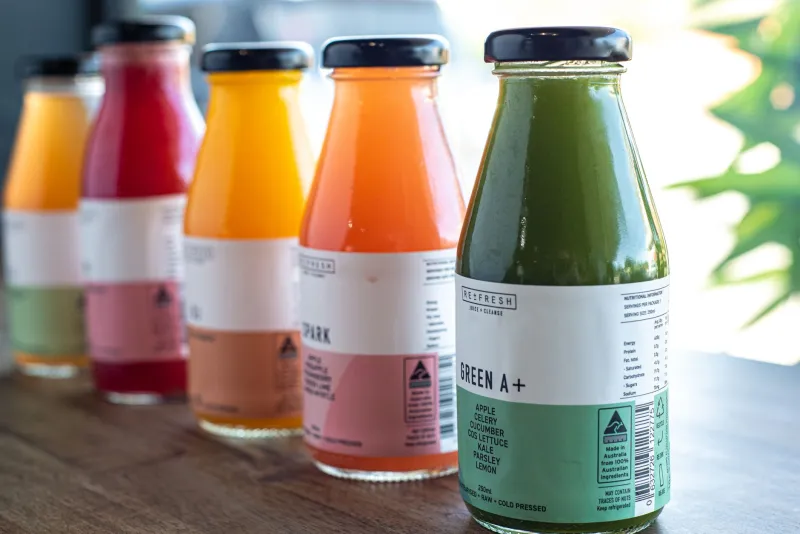
Let's be honest: airport food is a gamble. But between the $9 turkey sandwiches and the mystery sushi rolling past on conveyor belts, there's a quiet hero hiding near Gate B7 — the cold-pressed juice bottle. The catch? Not every airport bottle deserves your $11. Some are genuinely fresh, cold-pressed, and worth every penny. Others are just sugar water wearing a kale costume.
Here's your no-nonsense playbook for drinking well at 30,000 feet.
The Airport Juice Landscape, Mapped
Not all terminals are created equal. A few standouts we've personally vetted (read: sprinted to between connections):
- LAX (Los Angeles): Multiple locations of juice-forward grab-and-go spots across terminals, plus smoothie counters that press in-house at select gates. Terminal 5 and the Tom Bradley International Terminal are your best bets.
- JFK (New York): The international terminal has several health-focused kiosks, and you'll spot recognizable cold-pressed brands in refrigerated cases throughout Delta and JetBlue hubs.
- SFO (San Francisco): Arguably the best airport juice scene in the country. Bay Area wellness culture extends all the way to Gate 90.
- DEN (Denver): Surprisingly solid, with cold-pressed options in the main concourses.
- ATL, DFW, ORD: Hit-or-miss, but the bigger terminals increasingly stock bottled cold-pressed brands alongside the usual soda walls.
Pro move: Check the terminal map before you fly. Most airport websites list dining and retail by concourse, and a two-minute scan tells you exactly where the juice is.
Chains You Can Trust at 6 A.M.
When you're bleary-eyed at a 5:40 a.m. departure, decision-making power is limited. Lean on these reliable patterns:
National grab-and-go brands with real juice programs. Several national smoothie and wellness chains now stock cold-pressed bottles in grab-and-go fridges. If you see a bottle with a pressed date and a short ingredient list, you're in business.
Regional health markets inside terminals. Airports in health-conscious cities — LA, SF, Seattle, Austin — often host mini versions of local natural grocers. These cases usually carry small-batch bottles with legitimate ingredient lists.
The coffee shop caveat. That "green juice" next to the muffins at a coffee kiosk? Often a shelf-stable concentrate blend. It's not the enemy, but know what you're buying.
How to Spot Fresh vs. Fancy in 30 Seconds
You don't need a chemistry degree — you need your eyes and the label.
1. Check the press date, not just the sell-by date. Legit cold-pressed bottles carry a pressed-on date (or a "consume within X days" window). If the label only shows a sell-by date months out, it's likely HPP-treated or pasteurized — still fine, just not farm-fresh.
2. Look for separation. A truly cold-pressed juice separates naturally as it sits. If the bottle looks perfectly uniform and suspiciously glossy, it's probably processed. A little layering at the top? That's a good sign. Shake it up.
3. Read the ingredient list like a detective. Three to six ingredients, all pronounceable, no "natural flavors" doing heavy lifting? Green light. A paragraph of additives with cane sugar second? Hard pass.
4. Feel the fridge. Cold-pressed juice should be stored cold — genuinely cold. A bottle sitting on an open shelf or in a lukewarm case is a flavor and safety risk. If it's not properly chilled, walk away.
5. Mind the price-to-size ratio. Airport markups are real, but a 12-ounce bottle running $15+ with a vague label is a tourist trap. Fair range is roughly $8–$13 depending on the city.
What to Drink on a Long Flight (And Why)
Cabin air is notoriously dry — humidity on planes can drop below 20%, drier than most deserts. Hydration matters more than usual, and your juice choice can work with or against you.
Best bets for the skies:
- Cucumber and celery-based greens: Naturally hydrating, low in sugar, and gentle on a nervous stomach.
- Coconut water blends: Potassium supports fluid balance when recycled cabin air is working against you.
- Ginger-forward bottles: Great for motion sensitivity and post-takeoff nausea.
What to skip mid-flight:
- High-sugar fruit bombs. A beet-apple-orange blend is delicious, but the sugar spike followed by a crash at hour three of a red-eye? No thanks.
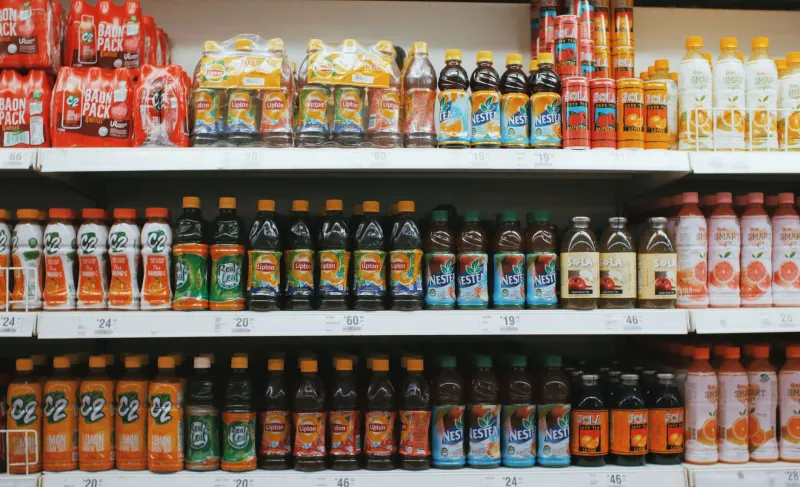
- Anything carbonated. Cabin pressure changes plus fizz equals an uncomfortable seatmate situation.
- Dairy-based smoothies if your flight exceeds four hours — your digestion will thank you.
And yes, alternate with plain water. Juice is a teammate, not a substitute for hydration basics.
The Carry-On Strategy
A few logistics notes from the road-weary among us:
- Buy after security. Obvious, but worth repeating — TSA will confiscate that bottle over 3.4 ounces every time.
- Drink it or lose it at international departures. Some international gates re-screen carry-ons, so finish before boarding.
- Empty bottles travel free. If you can't finish it, dump it and refill at a fountain on the other side. Better yet, bring an empty bottle through security and fill it with juice purchased at your departure airport.
Bottom Line
Airport juice doesn't have to be a compromise. With a quick terminal map scan, a sharp eye on labels and dates, and a hydration-first mindset, you can land feeling better than you took off. Safe travels — and sip something green for us.