The Break Room Upgrade: Why Your Boss Might Stock Cold-Pressed Juice Before You Ask
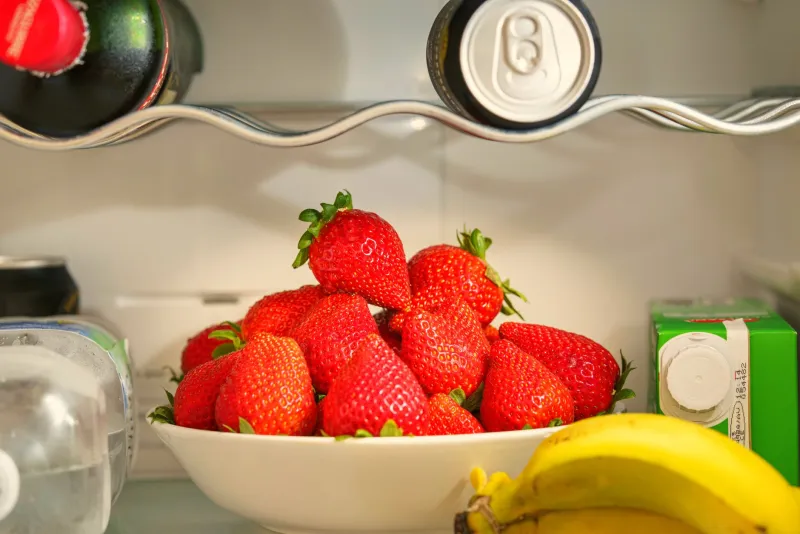
Somewhere between the nitro cold brew tap and the standing desks, a new appliance started showing up in American offices: the juicery fridge. Not a vending machine stocked with neon-colored sugar water — an actual fridge of cold-pressed juice, restocked weekly, often with a company card on file.
If you've recently changed jobs or visited a client's headquarters, you've probably noticed. The break room has become the newest battleground in the corporate wellness arms race, and juice is its most photogenic weapon.
How We Got Here
The corporate wellness industry is enormous — employers in the US collectively spend billions annually on programs designed to make workers healthier, happier, and less likely to call in sick. For years, that meant gym membership stipends, step-count challenges, and the occasional fruit basket that everyone politely ignored.
But the pandemic reshaped what employees expect from the office. When people returned, they returned selectively. A dreary break room with a burnt coffee pot stopped cutting it. Employers needed perks that felt tangible, daily, and — crucially — visible.
Juice fits all three. A bottle of cold-pressed green juice in the fridge says something different than a bowl of red delicious apples. It signals investment. It's a perk you can hold in your hand, snap a photo of, and actually consume at your desk at 10:47 a.m.
The Math Behind the Fridge
So what does it actually cost a company to stock cold-pressed juice? Less than you might think, and more than you'd hope.
Most office juice programs work one of three ways:
- Flat-rate delivery subscription. A local juicery drops off 50 to 200 bottles weekly at a per-bottle rate, typically $6 to $9 depending on volume and ingredients.
- Wellness stipend model. Employees get a monthly credit (say, $25 to $50) redeemable at a partner juice bar or through a delivery app.
- The sponsored fridge. A juice brand subsidizes or donates product in exchange for branding and a captive audience. Yes, this happens more than anyone admits.
For a 100-person office running two bottles per employee per week at $7 a bottle, you're looking at roughly $7,000 a month. That sounds enormous until you compare it to a single health insurance premium hike, or the estimated cost of one lost workday per employee per year.
That comparison is exactly how HR directors are selling it internally. Whether the numbers actually hold up is another question.
Does It Actually Make Anyone Healthier?
Here's where we have to be honest, because we're a juice company and we'd rather be honest than easy.
No, a bottle of kale-apple-ginger is not going to lower your company's healthcare costs by any measurable amount. The research on workplace nutrition interventions is thin and mixed at best. If an HR department claims their juice fridge cut sick days by 30 percent, ask to see the spreadsheet.
What cold-pressed juice can do in an office context is more mundane and, arguably, more valuable:
- It replaces something worse. An employee grabbing a free juice is, statistically, skipping the 3 p.m. vending machine run. That's a genuine swap, not an addition.
- It creates a micro-break. Walking to the break room, grabbing a bottle, stepping away from the screen for four minutes — that's a real behavior with real benefits for focus and eye strain.
- It makes the healthy choice the lazy choice. Behavioral scientists have a boring-sounding name for this — choice architecture — but the idea is simple. Put the good thing within arm's reach and people take it.
The wellness effect isn't in the micronutrients. It's in the friction.
The Pitch: How to Get Juice in Your Own Office Fridge
If you're reading this between meetings and thinking, I could make this happen — you're not wrong. Here's the checklist we'd hand to any employee making the case:
- Start small and specific. Don't ask for a program. Ask for a four-week pilot: 40 bottles a week, one fridge, one vendor. Small asks get approved.
- Find your vendor locally. Most cities now have at least one cold-pressed juicery with a wholesale arm. Local means fresher bottles, shorter delivery routes, and a vendor who'll actually show up when there's a problem.
- Frame it as retention, not wellness. 'Wellness program' triggers skepticism. 'An inexpensive perk that makes people want to come in on Tuesdays' triggers signatures.
- Do the per-employee math. One juice a day for every employee usually costs less than the company spends on coffee. Say that sentence out loud in the meeting.
- Ask for the fridge. Half the battle is cold storage. If the office has an underused mini-fridge, claim it before someone else does.
- Set a real metric. Bottle consumption, break room foot traffic, or just a pulse survey after a month. Give the program a scoreboard so it survives budget season.
The Bottom of the Bottle
Is the office juicery a genuine wellness revolution? No. Is it a smarter use of a perk budget than another round of branded water bottles? Honestly, yes.
The best version of this trend isn't about juice as medicine. It's about companies paying attention to the small, daily moments that make a workday feel less like a grind. A cold bottle of something green and genuinely good, waiting in the fridge when you need it, is a small thing. Small things add up.
And if your break room fridge is still stocked with nothing but creamer packets and a suspicious energy drink — well, now you know exactly what to say in your next one-on-one.