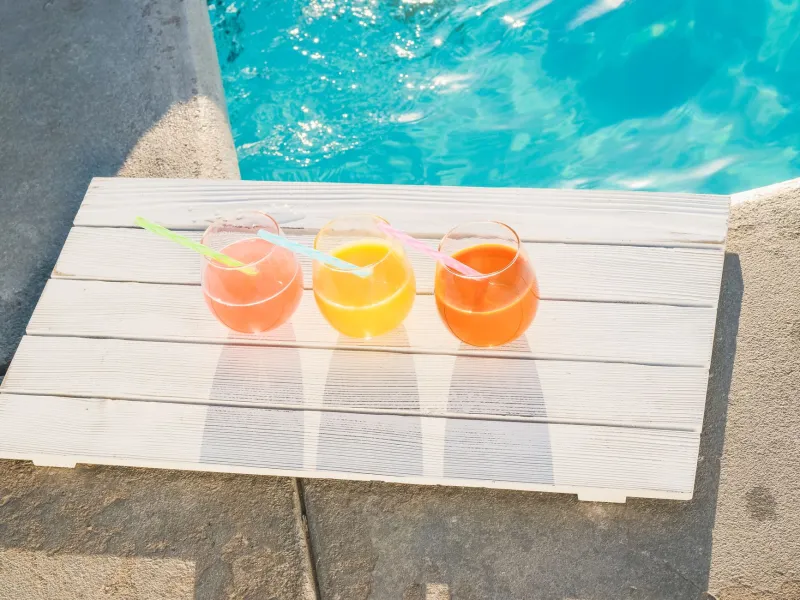
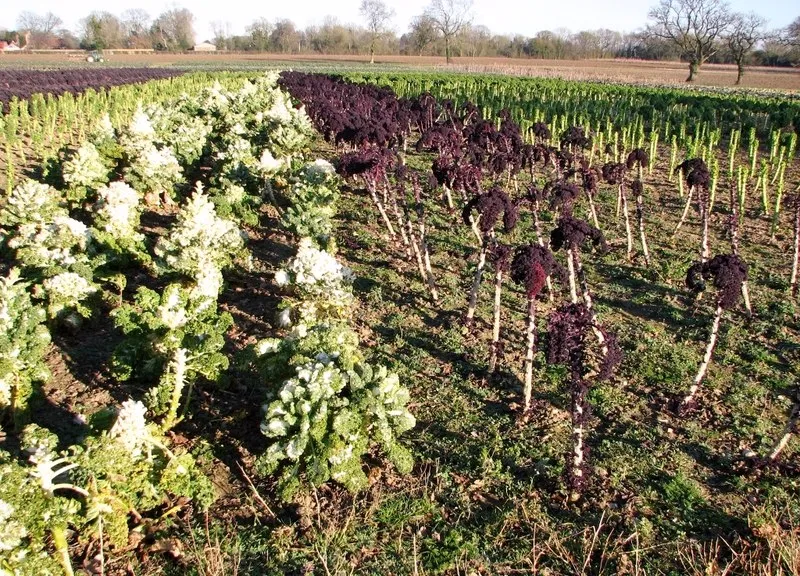
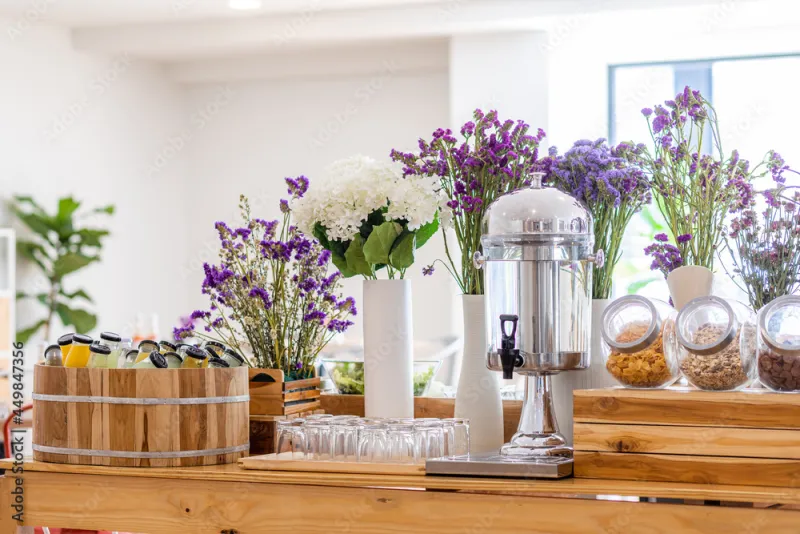
Lunchbox Diplomacy: What Parents Need to Know Before Tossing Cold-Pressed Juice Into the Backpack
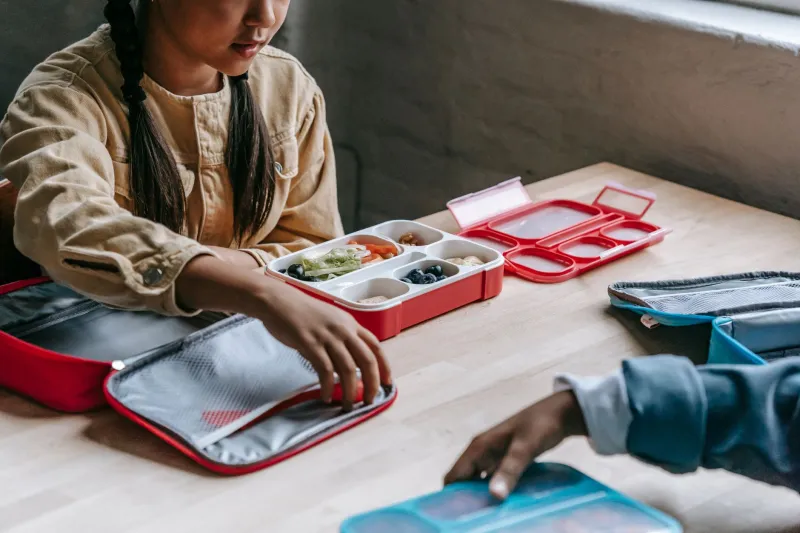
If you've stood in a school pickup line lately, you've probably noticed it: more and more lunchboxes coming out of backpacks with a small, sleek bottle of cold-pressed juice tucked next to the sandwich. Not a juice box. Not a pouch. An actual mini bottle of something called "Apple + Spinach + Sunshine."
So what's going on here? Are parents onto something, or are they just paying a premium for fancier sugar? We dug into the labels, ran the numbers, and talked through the real trade-offs. Here's the honest picture.
First, the Sugar Question — Because It's a Fair One
Let's not dance around it: juice contains sugar, and cold-pressed juice is no exception. Pressing an apple doesn't remove the fructose; it just packages it without the fiber of the whole fruit.
A typical 8-ounce serving of a fruit-forward cold-pressed blend runs somewhere between 18 and 26 grams of sugar — roughly what you'd find in the same amount of classic orange juice, and more than most whole fruit delivers. A medium apple has about 19 grams of sugar, but it comes bundled with around 4 grams of filling fiber, which slows absorption and keeps kids satisfied longer.
That said, context matters. A 4-ounce pour — half a bottle — alongside a balanced lunch with protein and whole grains is a very different situation than a 12-ounce bottle of pure fruit blend chased with gummy snacks. Pediatric guidance, including from the American Academy of Pediatrics, generally caps juice at 4 to 6 ounces daily for school-age kids. The takeaway isn't "never," it's "measured."
Cold-Pressed vs. Juice Box: What's Actually Different?
Here's where it gets interesting. The sugar content might be similar, but what surrounds that sugar is not.
The classic juice box is typically made from concentrate, reconstituted with water, pasteurized at high heat, and often fortified with added vitamin C to replace what processing destroyed. Many contain added sweeteners or "flavor packs" to standardize the taste.
Cold-pressed juice skips the high-heat treatment. Hydraulic pressing extracts juice slowly, preserving more of the heat-sensitive nutrients — certain enzymes and vitamin compounds that degrade under conventional pasteurization. Many cold-pressed brands use HPP (high-pressure processing) instead, which keeps the juice safe without cooking it.
Does that make it a nutritional slam dunk? No. But it does mean you're getting closer to what the fruit actually offered — especially if you choose blends where vegetables lead the ingredient list. A bottle that starts with cucumber, celery, and leafy greens, with apple as the sweetener rather than the star, delivers micronutrients a juice box simply can't match.
The Veggie-First Rule (and How to Sell It to a Seven-Year-Old)
If there's one rule worth adopting, it's this: read the ingredient list like a label, not a mood. Ingredients are listed by weight, so if apple or grape leads, you're buying fruit sugar. If cucumber or greens lead, you're buying hydration and nutrients with a fruit assist.
Getting kids on board with green-forward blends is a negotiation, not a decree. Some tactics that actually work:
- Start at a 75/25 fruit-to-veg ratio and shift it gradually every couple of weeks. Taste buds adapt faster than you'd think.
- Let them pick the bottle. Kids who choose their own "green one" at the juice bar are far more likely to drink it than kids handed one cold.
- **Rename it." "Dinosaur juice" has a shockingly high success rate. So does "rocket fuel."
The Budget Reality Check
Now for the part nobody loves discussing: at $6 to $10 a bottle, daily cold-pressed juice for two kids adds up to real money — we're talking $3,000+ a year in the extreme case. That's not a lunchbox item; that's a car payment.
The good news is you don't have to choose between the juice bar and nothing. A decent home masticating (slow) juicer runs $100 to $300, and while it's not identical to a commercial hydraulic press, it operates on the same gentle principle — no high-speed blades, no heat, minimal oxidation.
Three Family-Morning-Proof Blends
These are scaled for small hands, veggie-first, and cheap to make in batches on Sunday:
The Green Light — 2 cucumbers, 3 celery stalks, 1 green apple, big handful of spinach, squeeze of lemon. Mild, clean, and genuinely drinkable for picky palates.
The Sunset — 3 carrots, 1 orange, thumb of fresh turmeric or ginger. Sweet enough to feel like a treat, with enough beta-carotene to make you feel smug.
The Purple One — 1 cup grapes, 1/2 beet, 1/2 apple, splash of water. Beets are the stealthiest veggie on the market — kids mostly just see the color.
Batch-press on the weekend, store in small glass bottles, and they'll hold for about 72 hours refrigerated. Fill to the top to limit oxidation.
The Bottom Line
Cold-pressed juice in a lunchbox isn't a superfood delivery system, and it's not a scam either. It's a legitimate upgrade over concentrate-based juice boxes — as long as portions stay small, veggie-forward blends lead the way, and whole fruit still does the heavy lifting in your kid's diet.
Treat it like a nice side dish, not the main event. Your kids' teeth, your budget, and your Sunday mornings will all get along just fine.