The People Behind the Press: Chasing Kale, Cherries, and Citrus Back to the Farm
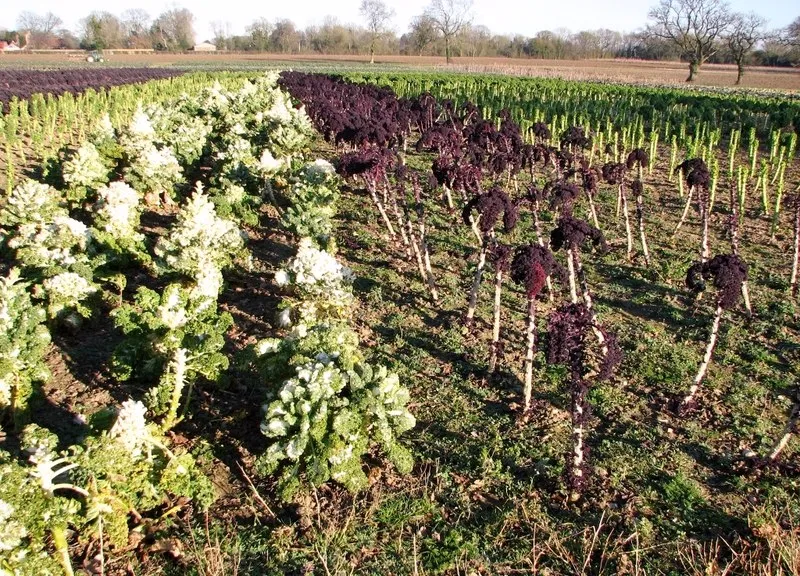
Photo: Evelyn Simak , CC BY-SA 2.0, via Wikimedia Commons
There's a moment — usually around the second sip of a really good green juice — when you stop thinking about it as a product and start wondering about it as a story. Who grew this? Where? Why does it taste like that?
We wondered too. So we did what any curious juicery would do: we followed the ingredients backward, all the way to the dirt. What we found changed how we think about every bottle we press.
Salinas Valley: Where Your Kale Gets Its Edge
They call it "America's Salad Bowl," and driving through it, you get why. The Salinas Valley in California runs roughly 90 miles along the coast, cooled by fog that rolls in off Monterey Bay most mornings. That marine layer isn't just scenic — it's agricultural engineering. The cool nights slow leaf growth on kale, spinach, and chard, which concentrates flavor and helps those leaves hold onto nutrients longer after harvest.
We spoke with second-generation growers outside Salinas who explained something most juice drinkers never hear: kale is a cool-season crop with real personality. Grown in the valley's shoulder seasons — early spring and late fall — it develops deeper, almost sweet-earthy notes. Grown fast in summer heat, it turns bitter and thin. "People think kale is just bitter," one grower told us, laughing. "Good kale isn't. Bad timing is."
That's why sourcing matters. Kale harvested at peak and pressed within days of cutting delivers noticeably more of what you're drinking it for — the vitamin K, the lutein, that clean vegetal snap. Kale that sat in a truck for a week doesn't. Provenance isn't a marketing word here. It's chemistry.
Michigan's Tart Cherry Window: Six Weeks a Year, No Extensions
If kale is patient, tart cherries are a sprint. The Montmorency cherry — the variety behind most tart cherry juice in the US — grows almost exclusively in a stretch of northern Michigan along Grand Traverse Bay, where lake-effect climate keeps the orchards frost-protected and the soil acidic enough for the trees to thrive.
The harvest window? Roughly three weeks in July. Sometimes four if the weather cooperates. Growers described it to us as a controlled panic: cherries ripen all at once, they don't tree-store well, and every hour matters. Many orchards shake the fruit mechanically and get it into processing the same day, because Montmorency cherries begin losing their vivid color and bright acidity almost immediately.
That urgency is actually good news for juice drinkers. Unlike sweet cherries destined for fresh produce bins, tart cherries are grown almost entirely for processing — which means they go from branch to pressed or flash-frozen juice fast, locking in the anthocyanins and melatonin-adjacent compounds that make tart cherry the go-to for post-workout recovery and sleep-support routines. The compressed harvest isn't a limitation. It's the whole reason the juice is potent.
Florida Citrus and the Case for the Short Haul
Then there's citrus — the ingredient people take most for granted and should take least. We visited growers in central Florida's ridge country, a sandy, elevated belt that's been growing oranges and grapefruit for over a century. The sandy soil drains fast, forcing roots deep, and the region's warm days and cool nights build the sugar-acid balance that makes juice taste like juice instead of sweetened water.
One grower put it bluntly: "Citrus picked early and shipped far tastes like a compromise." Citrus doesn't ripen after picking — it only looks better. The sugars and acids are locked in at harvest, which means an orange picked at peak in Florida and pressed quickly is a fundamentally different beverage than concentrate reconstituted months later.
Why Seasonality Is the Secret Ingredient
Here's the thread connecting all three stories: the best juice follows the calendar. Kale in the valley's cool seasons. Cherries in July. Citrus in winter, when Florida's groves are at their brightest. When you drink with the seasons, you're not being trendy — you're drinking ingredients at the exact moment they're nutritionally and flavor-wise at their ceiling.
A few ways to put this into practice:
- Ask about harvest timing. A good juicery knows when its ingredients were picked, not just where they came from.
- Expect menu shifts. If your favorite green juice changes character in summer, that's not inconsistency — that's the kale telling the truth.
- Taste the difference yourself. Grab a peak-season tart cherry juice in August and compare it to a generic bottle in February. Your palate will settle the provenance debate faster than any label.
The Bottle Is Just the Last Mile
Cold-pressing gets a lot of well-earned credit — the hydraulic press, the minimal oxidation, the clean extraction. But the press can only amplify what's already there. It can't add flavor that the soil never produced or nutrients that a long haul burned off.
Every bottle starts with a farmer making a hundred small decisions: when to plant, when to hold, when to pick at 5 a.m. before the fog burns off. When you know that, drinking juice stops being a transaction and becomes something closer to a relationship — with the land, the season, and the people whose names will never be on the label but whose fingerprints are on every sip.
That's the story we're committed to telling, one harvest at a time.