Tasting Notes, But Make It Beet: Meet the Juice Sommelier

Somewhere between the third sip of a cucumber-pear blend and a conversation about 'mouthfeel,' it hit us: cold-pressed juice has grown up.
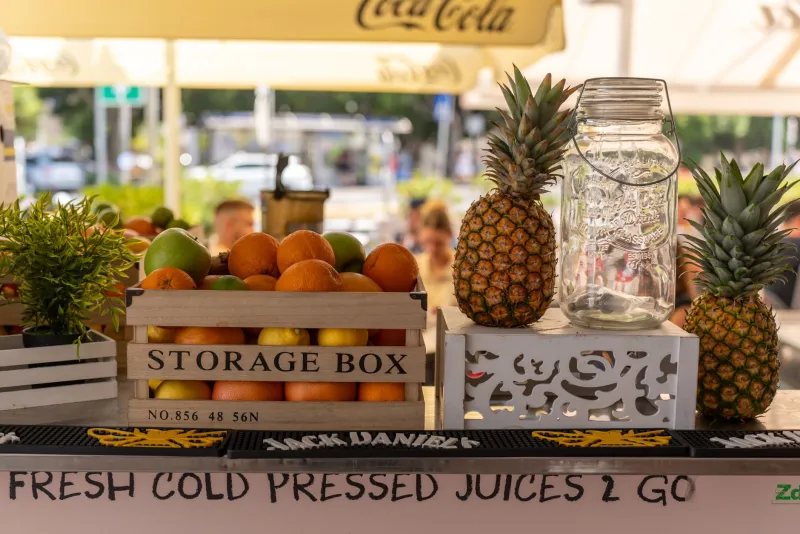
Not long ago, ordering juice was a transaction. You pointed at a bottle, you paid, you left. Today, at juice counters from Portland to Brooklyn, a new kind of employee is leaning over the press with the focus of a sommelier — sniffing, swirling, asking about your week, your stress levels, and whether you tend toward sweet or earthy. They're flavor profilers, and they're quietly turning juice into a curated experience.
From Grab-and-Go to Taste-Driven
The wine world spent centuries perfecting the language of taste: terroir, finish, notes of blackberry and oak. Juice, by contrast, mostly communicated in one word — green.
That's changing. A growing number of juice bars now offer tasting flights, seasonal menus that shift with what's actually at the farmers market, and staff trained to describe a turmeric blend the way a sommelier describes a Pinot Noir: bright on the attack, peppery mid-palate, warming finish.
The shift makes sense when you look at what's actually in the bottle. Cold-pressed juice, extracted slowly via hydraulic press without heat or oxidation, preserves volatile aromatic compounds that get cooked away in centrifugal juicing. In other words — there's genuinely more flavor to taste. The sommelier types just figured out how to talk about it.
What a Flavor Profiler Actually Does
Think of the job as part interview, part chemistry. A skilled juice profiler will typically:
- Map your palate. Do you gravitate toward tart, sweet, bitter, or savory? Your answer shapes everything that follows.
- Factor in your goals. Someone chasing post-workout recovery gets a different build than someone fighting the 3 p.m. slump.
- Read your mood. It sounds woo-woo until you try it — bright citrus and ginger genuinely land differently on a gray Monday than a root-heavy beet blend.
- Balance the blend. This is the craft: enough green to deliver nutrition, enough fruit to make you actually want to finish the bottle.
The best ones work like great bartenders. They remember you. They know you loved the watermelon-mint in July and steer you toward the apple-fennel come October.
The Science of Why This Matters
Palate training isn't just a marketing gimmick — it's rooted in how taste actually works. Our flavor perception combines taste buds, retronasal olfaction (aromas reaching your nose from the back of your mouth), and even texture. Research on flavor perception consistently shows that exposure shapes preference: the more mindfully you taste something, the more nuanced your experience of it becomes.
That's why a flight of three small juices can teach you more than a month of grabbing the same bottled blend. Variety plus attention equals palate development. Wine figured this out decades ago. Juice is just now catching up.
There's a practical payoff, too. People who understand flavor balance drink more of the good stuff. If your green juice tastes like a lawnmower, no amount of willpower saves the habit. If it tastes like green apple with a peppery arugula finish, you've got a routine.
Train Your Own Juice Palate at Home
You don't need a certification or a juice bar on the corner. Here's the home study course:
1. Do a solo tasting flight. Pour three small samples — one citrus, one green, one root-based. Taste them in that order, lightest to heaviest, like you would with wine. Notice what changes between sips.
2. Learn the big five juice flavor families. Citrus (bright, acidic), leafy green (bitter, grassy), root (earthy, sweet — think beet and carrot), herb (mint, basil, cilantro), and spice (ginger, turmeric, cayenne). Most great blends are a conversation between two or three of these.
3. Name what you taste. Sounds silly, works anyway. Writing down 'tastes like the smell after rain' is a real tasting note. Precision comes later.
4. Fix, don't dump. Too earthy? Add apple or a squeeze of lemon. Too sharp? Cucumber softens almost anything. Understanding one fix teaches you more than a dozen recipes.
5. Drink with the season. Watermelon in August, apple and beet in November. Your palate — and your body — tend to crave what's ripe. Trust that instinct.
The Bottom Line
The rise of the juice sommelier says something bigger about where wellness is headed: away from rigid rules and toward genuine enjoyment. When you actually like what's in your bottle — when you can taste the difference between a Tuesday blend and a Saturday blend — the habit stops being a chore and starts being a pleasure.
So next time you're at the counter, skip the autopilot order. Tell the person behind the press what you've been craving, how your week's going, what you didn't like last time. Then taste like you mean it.
Your palate is already there. It's just waiting for someone to ask.