That Bottle Has Been Sitting There for 45 Days. Here's How to Tell.
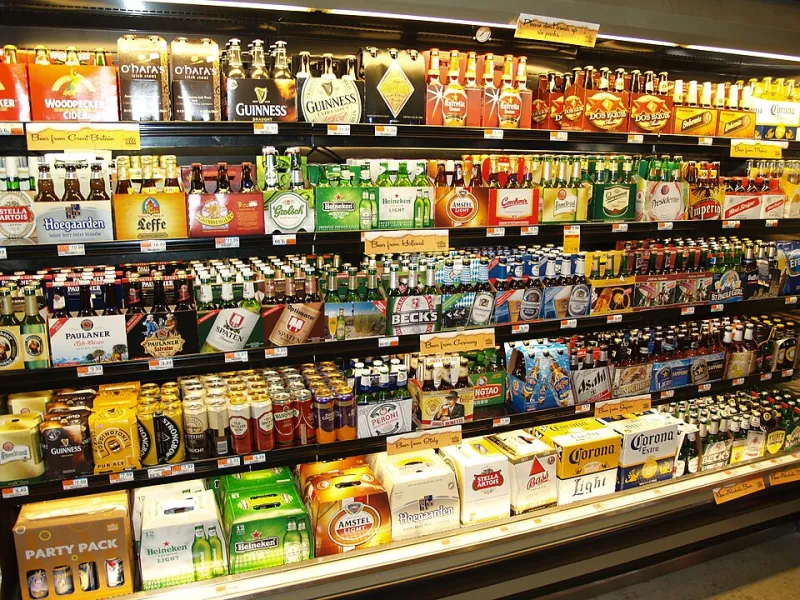
Photo: David Shankbone, CC BY-SA 3.0, via Wikimedia Commons
You're standing in the refrigerated section of your local Kroger, holding a bottle of something green and promising. The label says "cold-pressed." It says "not from concentrate." There's a cheerful little leaf on the front. The price is $4.99, which feels like a win compared to the $11 bottle at your neighborhood juice bar.
Here's the uncomfortable question worth asking: why does this bottle have a sell-by date three months from now?
Real Juice Has a Deadline
Let's start with the most useful fact in this entire article: genuinely raw, cold-pressed juice is perishable in a way that shelf-stable juice simply isn't. Without heat treatment or heavy processing, fresh-pressed juice typically holds its quality for roughly 3 to 5 days refrigerated — maybe a week with high-pressure processing (more on that in a second).
So when you pick up a bottle stamped with an expiration date 60 or 90 days out, something has happened to that juice. It's not necessarily dangerous. But it's not the same product, and the front label probably isn't telling you what.
Decoding the Big Three Claims
"Cold-pressed." This is the sneakiest one. In many cases, the term refers only to how the juice was extracted — via hydraulic press rather than a fast-spinning centrifugal juicer. That's a meaningful difference at press time. But extraction method says nothing about what happened afterward. A juice can be cold-pressed and then pasteurized at high heat, which largely undoes the freshness advantage. Check the fine print near the nutrition facts: if you see "pasteurized" without a qualifier, that's your answer.
"Not from concentrate." This just means the juice wasn't dehydrated and reconstituted. It's a legitimate claim, but it's a low bar — the juice could still be months old, heat-treated, and stored before bottling. Concentrate status tells you about logistics, not freshness.
"No added sugar." True, technically, in many bottles — 100% fruit juice can't legally have added sugar and still use that claim. But a bottle of apple juice is essentially sugar water with a vitamin pedigree. "No added sugar" on a fruit-forward juice is a bit like celebrating that a candy bar contains no kale. Look instead at the grams of sugar per serving and ask whether eating the actual fruit would serve you better.
The Pasteurization Ladder
Not all processing is equal. Here's the rough hierarchy, from most to least processed:
- Shelf-stable (aseptic) juice — heat-treated aggressively and sealed to live unrefrigerated for months. Think juice boxes and the non-refrigerated juice wall.
- Traditionally pasteurized refrigerated juice — heated enough to extend life for weeks. Flavor and heat-sensitive nutrients take a hit.
- HPP (high-pressure processing) — sometimes called "cold pasteurized" or "HPP'd." Instead of heat, the juice is subjected to intense water pressure to neutralize pathogens while preserving flavor and much of the nutrition. This is what most reputable refrigerated cold-pressed brands use, and it's a genuinely reasonable middle ground.
- Truly raw, unpasteurized juice — the freshest expression, with the shortest life. This is what you get at a real juice bar or from brands with serious cold-chain logistics and short date codes.
None of this means HPP is a scam — it's often the only safe way to distribute raw juice at scale. But you deserve to know which rung of the ladder you're paying for.
Your 30-Second Aisle Cheat Sheet
Next grocery run, run this checklist before anything goes in the cart:
- Flip to the date. Under 10 days out? Good sign. Over 45? Ask questions.
- Scan for "HPP" or "high pressure processed." If a refrigerated "cold-pressed" bottle doesn't mention pasteurization at all, look for a company FAQ or assume heat.
- Check the ingredient list. Two or three ingredients you recognize beats eight, especially if "natural flavors" shows up. What natural flavor is doing in juice is a fair question nobody's answering.
- Find the fill line and the settle test. Real pressed juice separates. If the bottle looks like it will never, ever separate — uniformly vivid green or orange for weeks — that uniformity is engineered.
- Weigh the price against the claim. If a large bottle costs less than the produce it would take to press it, the math doesn't work without shortcuts.
When the Grocery Store Is the Right Call
Look, we're not going to tell you to never buy juice at the supermarket — that's not realistic, and honestly, a decent HPP bottle from the refrigerated case beats a gas station slushie every single time. The goal isn't purity; it's knowing what you're actually buying so you can match your money to your expectations.
If you want maximum freshness, the juice bar counter with a press in the back and a short date code will always win. If you want convenience and a reasonable compromise, a transparent HPP brand that tells you exactly how it processes is a solid play. What you shouldn't do is pay a freshness premium for a bottle that's been alive longer than a goldfish.
The label's job is to sell. Your job is to flip the bottle over. Now you know how.