Watermelon in January? A Month-by-Month Map for Ordering Juice That Actually Tastes Like Something
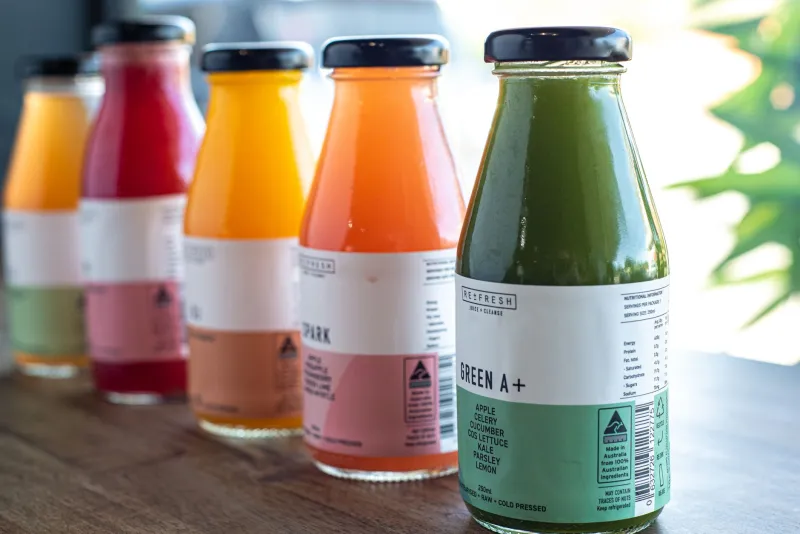
Let's be honest about something the juice industry doesn't always love to admit: half the bottles on any given shelf in America are built on the same two ingredients — apple and cucumber. Not because they're nutritional superstars (though they're fine!), but because they're available 365 days a year, cheap to source, and neutral enough to hide behind.
That's not a scandal. It's just how supply chains work. But it does mean that when you order a watermelon juice in January, you're not tasting July. You're tasting a melon that was picked early, shipped far, ripened in transit, and priced accordingly. Peak-season watermelon — the kind that barely holds together when you cut into it — simply does not exist in the dead of winter in most of the continental US.
The fix isn't swearing off juice. It's syncing your order to the calendar.
Why Seasonality Actually Matters in a Bottle
Produce at peak harvest doesn't just taste better — it's typically denser in flavor and nutrients, requires less long-haul shipping, and costs growers less to get to your local press. A cold-pressed juice made from August tomatoes or October apples starts with an advantage no recipe can fake.
Off-season fruit, by contrast, is usually picked underripe so it survives the trip. It never fully develops its sugar or acid profile, which means juicers compensate — often with more apple. Flip a bottle of a "seasonal" blend in February and check the ingredient list. Apple first? Now you know.
Your Twelve-Month Juice Rotation
Here's a rough map based on American growing regions, from California's Central Valley to Florida's citrus belt to the Northeast's fleeting stone fruit window.
Winter (December–February): Citrus is the undisputed champion. Florida and California oranges, grapefruits, Meyer lemons, and blood oranges hit their stride when everything else is dormant. A grapefruit-forward press in January is bright, punchy, and genuinely local to the season. Ginger and turmeric roots are also at their best — no coincidence that cold-and-flu season pairs perfectly with peak root harvest.
Early Spring (March–April): The transition months. Look for blends leaning on storage crops — beets, carrots, and apples from fall harvest that held beautifully in cold storage. Early greens like spinach and baby kale start coming out of California and Southern farms. This is kale season in the sense that it's sweetest after a frost.
Late Spring (May–June): Strawberry season kicks off in the South and California, then marches north. Rhubarb shows up briefly. Cucumber and early greens bounce back. Cherries from Washington and Michigan arrive in June — a short, glorious window.
Summer (July–August): Peak everything. Watermelon, peaches, berries, tomatoes, corn-sweet flavors. This is the only time of year that watermelon juice is a bargain instead of a splurge. If your juice bar has a summer-only stone fruit blend, order it now and stop ordering it in November.
Fall (September–November): Apple harvest sweeps the country — New York, Washington, Michigan. Cranberries come out of Wisconsin and Massachusetts. Beets, carrots, and squash-adjacent flavors return. This is arguably the best pressing season in America.
How to Read a Menu Like a Produce Buyer
A few field-tested tricks:
- Apple listed first? That's a filler, not a feature. It's there to sweeten and stretch.
- Cucumber as a base year-round? Fine in summer, but in winter it's greenhouse-grown or imported — mild to a fault.
- "Seasonal" on the menu in January should mean citrus or root veg. If it means berries, be skeptical.
- Ask what's local. A good juice bar knows its growers. A great one changes the menu when the harvest changes.
The Bottom Line
Drinking with the seasons isn't a wellness flex — it's just common sense economics and flavor logic. The same bottle costs less, tastes louder, and travels shorter distances when the ingredients are at their peak. Your blender-free, cold-pressed habit deserves the best version of every fruit. Give it the calendar's help.